

Marrakech Food Guide: From Street Food to Fine Dining
Marrakech is a city where every corner tells a story, and nowhere is this more evident than in its vibrant culinary scene. From bustling street stalls in the medina to elegant riads offering gourmet dining, Marrakech Food reflects the city’s rich history, culture, and diversity. Eating in Marrakech is more than satisfying hunger—it is an immersive experience that connects travelers with centuries-old traditions, spices, and flavors unique to Morocco.
The city’s food scene offers something for everyone. Street food lovers can explore lively markets and squares, sampling quick bites that are bursting with flavor, while those seeking fine dining can indulge in luxurious meals that fuse Moroccan ingredients with modern techniques. Moroccan cuisine is known for its bold spices, slow-cooked tagines, sweet-and-savory pastries, and freshly baked bread—all staples of Marrakech Food.
Whether you are wandering through the maze-like alleys of the Medina, sipping mint tea while watching the sunset from a rooftop terrace, or joining a cooking class in a traditional riad, Marrakech Food is a gateway to understanding the city’s culture and daily life. This guide will take you on a culinary journey from the energetic street stalls to the refined tables of Marrakech’s finest restaurants, ensuring you experience the full spectrum of flavors the city has to offer.
Street Food and Local Snacks
Marrakech is a city where Marrakech Food comes alive in the bustling streets, especially in the iconic Jemaa el-Fnaa square. This vibrant square transforms every evening into a lively culinary hub, filled with food stalls, smoke from grills, and the aromas of traditional Moroccan spices. Street food in Marrakech is not just about eating—it’s a cultural experience, offering a taste of daily life, local traditions, and communal dining.
One of the must-try dishes is Harira, a hearty soup made with lentils, chickpeas, tomatoes, and a blend of Moroccan spices. Often enjoyed with fresh dates or dried fruits, it is particularly popular during Ramadan but is served year-round. Another favorite is B’stilla bites, small savory pastries filled with spiced meat or pigeon, almonds, and a hint of cinnamon, representing the unique Moroccan combination of sweet and savory flavors.
Grilled meats and skewers are another cornerstone of Marrakech Food. Street vendors serve freshly cooked lamb, chicken, and beef kebabs seasoned with cumin, paprika, and local herbs. These are often enjoyed with flatbreads or wrapped in warm Moroccan bread for a quick, satisfying snack. For something lighter, fresh fruit juices and smoothies made from oranges, pomegranates, or figs provide a refreshing break from the warm Moroccan climate.
Exploring the street food scene also offers insight into Moroccan hospitality and social culture. Locals often gather around food stalls, sharing small plates and exchanging stories, giving visitors a sense of community and tradition. For tourists, trying street food in Marrakech is an adventure for the senses—aromas, vibrant colors, and flavors all come together to create an unforgettable experience.
When enjoying street food, it’s important to follow a few safety tips: choose stalls with high turnover to ensure freshness, eat cooked foods, and use hand sanitizer. Doing so allows travelers to indulge in the full range of Marrakech Food without concern.
Street food in Marrakech is a gateway into Moroccan cuisine, combining rich flavors, history, and culture in every bite. From savory pastries to smoky grilled meats, this culinary tradition is essential for anyone wanting an authentic taste of the city.
Traditional Moroccan Dishes
Tagine
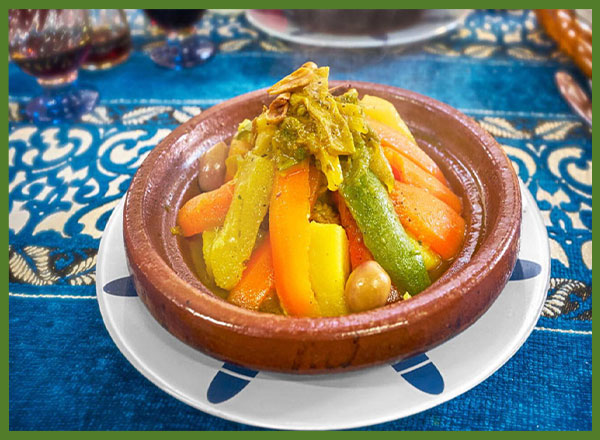
The tagine is the crown jewel of Marrakech Food. Named after the conical clay pot in which it is cooked, this slow-cooked stew is bursting with flavor. Popular varieties include chicken with preserved lemons and olives, lamb with prunes and almonds, and vegetarian tagines with seasonal vegetables. The unique cooking method allows the spices—cumin, coriander, saffron, and cinnamon—to meld perfectly with the meat or vegetables, creating a rich and aromatic dish. Enjoying a tagine is not just about taste; it is a cultural experience, often shared communally at family tables or traditional riads.
Couscous
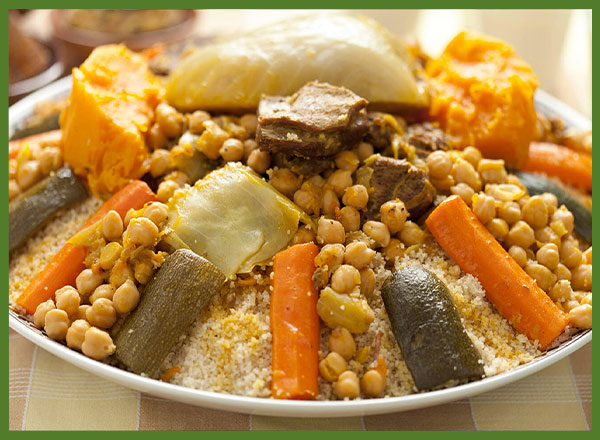
Couscous is a staple of Marrakech Food, traditionally served on Fridays during family gatherings. This light, fluffy semolina grain is typically accompanied by a savory stew of meat, vegetables, and aromatic spices. Couscous showcases the communal spirit of Moroccan dining, as it is often shared from a large central plate. Its versatility makes it a beloved dish across Morocco, reflecting both the agricultural bounty and the culinary traditions of Marrakech.
Pastilla
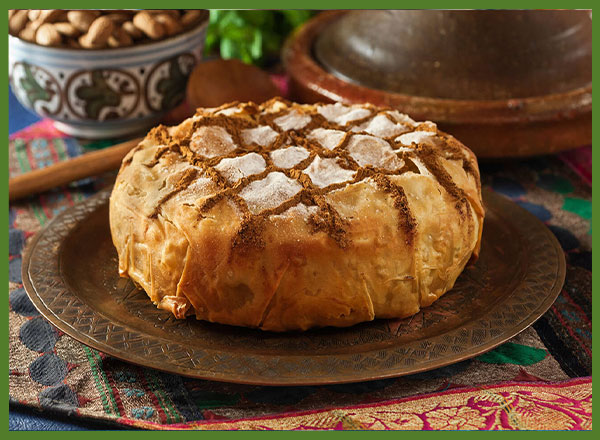
Pastilla is a Moroccan culinary masterpiece that embodies the signature sweet-and-savory flavors of Marrakech Food. This delicate pastry is traditionally filled with spiced pigeon or chicken, almonds, and eggs, then topped with powdered sugar and cinnamon. The crisp layers of phyllo dough combined with the savory filling create a unique taste experience. Often served at special occasions and celebrations, pastilla highlights the artistry and complexity of Moroccan cuisine.
Traditional Breads
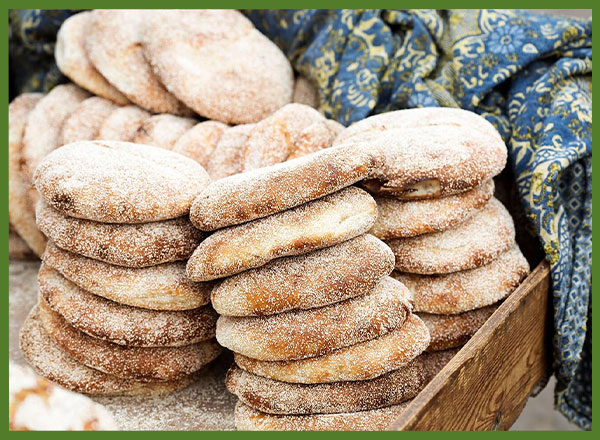
Moroccan breads are an essential part of Marrakech Food. Khobz, a round, crusty bread, and msemmen, a flaky layered flatbread, are served alongside almost every meal. These breads can also be stuffed with savory or sweet fillings, offering a quick and satisfying snack. Beyond their nutritional role, Moroccan breads are a cultural staple, reflecting the city’s baking traditions and the skill of local bakers.
Ready to Taste the Best of Marrakech Food?
Discover the flavors, aromas, and traditions that make Marrakech a world-class culinary destination. Start planning your food journey today—explore the markets, book a cooking class, try street food, and indulge in Morocco’s unforgettable cuisine.
Sweet Treats and Desserts
Chebakia
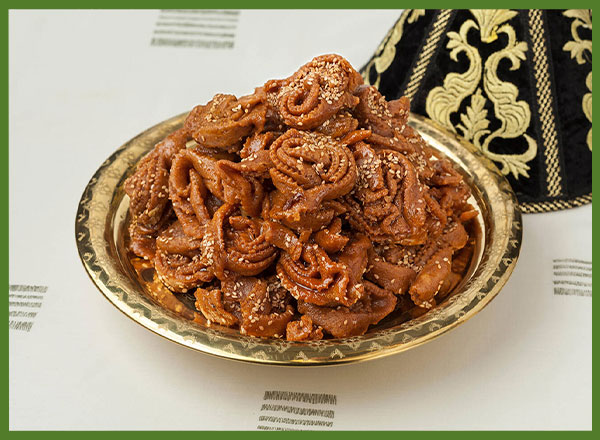
Chebakia is one of the most iconic Moroccan sweets and a highlight of Marrakech Food. These sesame-coated pastries are shaped into intricate flower-like patterns, fried until golden, and then soaked in honey and sprinkled with sesame seeds. Traditionally prepared during Ramadan, chebakia offers a perfect balance of sweetness and crunch, making it irresistible to locals and travelers alike. The combination of honey, spices, and sesame provides a burst of flavor that captures the essence of Moroccan dessert culture.
Sellou
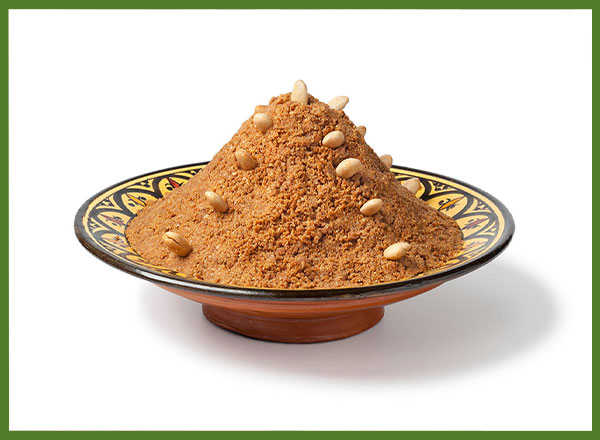
Sellou, also known as sfouf, is a traditional Moroccan mixture made from toasted almonds, sesame seeds, flour, and honey. It is rich, nutty, and slightly sweet, often enjoyed during special occasions and festive gatherings. As part of Marrakech Food, sellou is valued for its energy-boosting properties and its connection to Moroccan culinary traditions. Each bite reflects centuries of skillful preparation and the intricate flavor layering typical of Moroccan desserts.
Moroccan Pastries
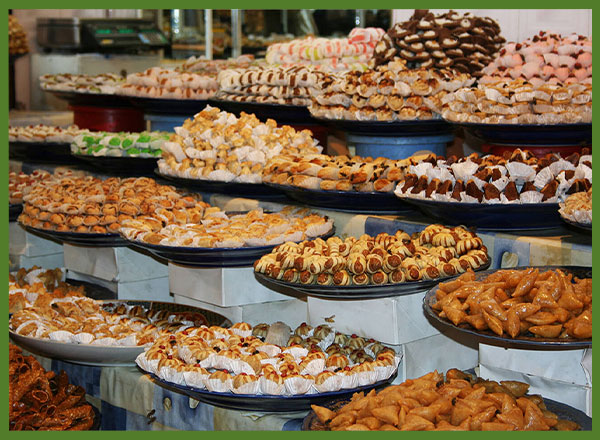
Marrakech is famous for its variety of pastries, often served alongside a cup of mint tea. From almond-filled briouats to flaky phyllo dough treats dusted with powdered sugar, these pastries are a staple of Marrakech Food. They demonstrate the artistry and attention to detail that Moroccan bakers bring to their craft. Enjoying these sweets is not only a culinary delight but also a cultural experience, providing insight into Moroccan hospitality and festive traditions.
Mint Tea and Sweet Pairings
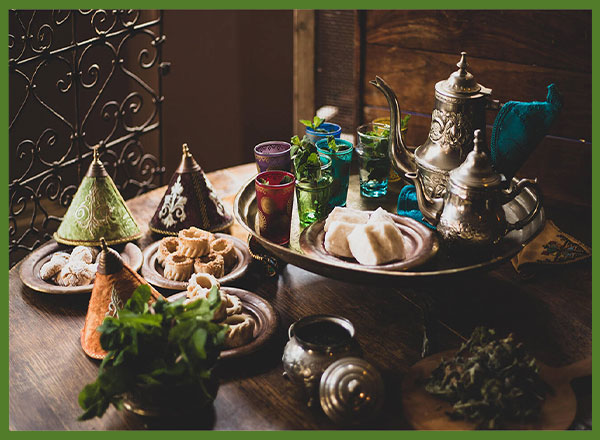
No exploration of Marrakech Food is complete without Moroccan mint tea, often served with sweets like chebakia or pastries. This green tea infused with fresh mint and a touch of sugar complements desserts perfectly, balancing flavors and providing a refreshing contrast. Mint tea is a symbol of Moroccan hospitality, often poured in intricate patterns and shared in social settings, making it an essential part of the city’s culinary experience.
Markets and Food Souks
Exploring Marrakech’s markets and food souks is one of the best ways to experience authentic Marrakech Food. The city’s bustling souks are more than just shopping destinations—they are sensory adventures where the sights, sounds, and smells of Moroccan cuisine come alive. Souk Semmarine and other food-focused markets are filled with vibrant displays of spices, fresh produce, nuts, olives, dried fruits, and traditional ingredients that are essential to Moroccan cooking.
Walking through these markets, travelers can sample street snacks, taste spices, and even watch local chefs prepare small dishes. The aromatic scent of cumin, saffron, coriander, and cinnamon fills the air, giving visitors a true sense of how Marrakech Food relies on a rich palette of flavors. Many stalls also sell traditional condiments, preserved lemons, and argan oil, which are key elements in Moroccan recipes.
Visiting the markets offers both culinary education and cultural insight. Observing bargaining between locals and vendors reveals the city’s social dynamics and longstanding trading traditions. For tourists, tasting small samples and purchasing fresh ingredients provides a hands-on experience of Marrakech Food, allowing them to take home a piece of Moroccan culinary culture.
Food markets are also ideal for photography, with colorful spices, stacked almonds, and rows of fresh produce creating visually stunning scenes. Guided food tours can enhance the experience, helping travelers discover hidden gems, try regional specialties, and navigate the maze-like alleys of the medina safely.
In short, Marrakech’s food markets are a cornerstone of Marrakech Food, combining flavor, tradition, and local culture in an unforgettable way. Every stall tells a story, and every bite is a step closer to understanding the city’s rich culinary heritage.
Fine Dining Experiences
While street food and traditional dishes capture the heart of Marrakech Food, the city also offers exceptional fine dining experiences that showcase Moroccan cuisine in a modern, elegant setting. Marrakech’s upscale restaurants and luxury riads provide the perfect environment to enjoy gourmet interpretations of classic dishes, combining traditional spices with contemporary techniques.
Many fine dining establishments feature rooftop terraces or beautifully decorated interiors, offering breathtaking views of the medina or Atlas Mountains. Signature dishes often include slow-cooked lamb or beef tagines with sophisticated flavor combinations, seafood delicacies, and creative vegetarian options. The presentation is as important as the taste, reflecting the artistry that has become a hallmark of Moroccan gastronomy.
Fusion cuisine is also increasingly popular in Marrakech, blending Moroccan ingredients with international culinary styles. Chefs experiment with local spices, olive oils, and preserved lemons to create dishes that are both authentic and innovative. Dining in these settings provides a unique perspective on Marrakech Food, highlighting the city’s ability to honor tradition while embracing modern trends.
Riad dining experiences offer an intimate and immersive atmosphere, where guests can enjoy home-style Moroccan meals prepared with fresh, local ingredients. These experiences often include multi-course meals featuring appetizers like zaalouk (eggplant salad), hearty tagines, couscous, and desserts paired with mint tea or Moroccan wines.
Fine dining in Marrakech is more than a meal—it is a celebration of culture, history, and culinary creativity. For travelers seeking a luxurious or romantic food experience, these restaurants are the perfect way to experience the sophistication and depth of Marrakech Food.
Fine Dining Experiences
No exploration of Marrakech Food is complete without experiencing the city’s traditional drinks and beverages. Moroccan mint tea, often referred to as “Moroccan whisky,” is the most iconic beverage. Brewed with green tea, fresh mint leaves, and sugar, it is a staple of daily life and hospitality. Served in small, decorative glasses, mint tea is more than a drink—it is a ritual that reflects the warmth and generosity of Moroccan culture.
Coffee culture in Marrakech is also thriving. Cafés across the medina offer rich espresso and Moroccan-style coffee, sometimes flavored with spices like cardamom or cinnamon. Enjoying a coffee while people-watching in a bustling square is a quintessential part of the Marrakech Food experience.
Fresh fruit juices are widely available, especially in markets and food stalls. Juices made from oranges, pomegranates, or figs provide a refreshing and healthy complement to the city’s rich cuisine. For a sweet treat, locals often enjoy these fresh drinks with pastries or street snacks.
In addition to traditional beverages, Marrakech also offers local soft drinks and Moroccan wines. While wine is less common than tea, some upscale restaurants and riads serve Moroccan red and rosé wines, often paired with fine dining dishes. These drinks allow visitors to experience a different aspect of Marrakech Food, complementing flavors from tagines, couscous, or desserts.
Whether it’s mint tea, fresh juices, coffee, or Moroccan wine, beverages in Marrakech provide a refreshing and culturally rich accompaniment to the city’s cuisine. Sampling these drinks is an essential part of fully experiencing Marrakech Food.
Food Experiences and Culinary Tours
For travelers seeking an immersive culinary adventure, Marrakech offers a wide range of Marrakech Food experiences and guided culinary tours. Cooking classes in traditional riads or specialized culinary schools allow visitors to learn firsthand how to prepare classic Moroccan dishes, such as tagines, couscous, pastilla, and traditional pastries. These classes not only teach techniques but also provide insight into the history, ingredients, and cultural significance behind each dish.
Guided food tours of the medina and markets are another popular way to explore Marrakech Food. Expert local guides lead tourists through bustling streets and alleys, pointing out hidden food stalls, spice shops, and local bakeries. Travelers get the chance to sample street foods, sweet treats, and fresh juices while learning about Moroccan spices, cooking methods, and eating customs.
These tours often combine street food tasting with visits to fine dining establishments or rooftop restaurants, offering a complete perspective on the city’s culinary landscape. They are especially valuable for first-time visitors who want to navigate the medina safely while discovering authentic flavors.
For those who enjoy hands-on experiences, some tours include participation in harvesting ingredients or shopping for spices in traditional markets, giving a deeper connection to the source of Marrakech Food. These interactive experiences create lasting memories and a profound appreciation for Moroccan cuisine.
Ultimately, culinary tours and food experiences in Marrakech provide travelers with a rich, engaging way to taste, learn, and immerse themselves in the vibrant flavors and traditions that define Marrakech Food.
Tips for Eating in Marrakech
Exploring Marrakech Food is a delightful adventure, but knowing a few practical tips can make the experience safer and more enjoyable. For travelers with dietary preferences, Marrakech offers a range of options. Many dishes are naturally halal, and vegetarian choices—such as vegetable tagines, couscous, and salads—are widely available. It’s always a good idea to ask about ingredients if you have allergies or specific dietary restrictions.
When visiting food markets or street stalls, choose vendors with high turnover and freshly prepared foods to ensure safety and quality. Using hand sanitizer before eating is also recommended. Bargaining is common in souks and markets, so don’t be afraid to negotiate prices, especially when buying spices, nuts, or packaged treats.
Seasonal specialties can enhance your Marrakech Food experience. Certain dishes, desserts, and beverages are only available at specific times of the year, offering a unique taste of Morocco’s culinary calendar. Sampling these seasonal items allows visitors to enjoy authentic flavors that locals savor during festivals and special occasions.
For a truly immersive experience, combine street food tasting with dining in traditional riads or restaurants. Observing local customs, such as sharing meals communally or enjoying mint tea with sweets, provides cultural context and makes the experience more meaningful.
Finally, take your time exploring the medina and food markets. Part of the charm of Marrakech Food is discovering hidden stalls, sampling unexpected flavors, and experiencing the city’s lively atmosphere. Following these tips will ensure a memorable, safe, and delicious culinary journey through Marrakech.
Conclusion :
Marrakech is a city where every meal tells a story, and exploring its cuisine is an essential part of any visit. From the bustling street food stalls of Jemaa el-Fnaa to the refined flavors of fine dining restaurants and riads, Marrakech Food offers an unforgettable journey through Morocco’s rich culinary heritage.
Traditional dishes like tagines, couscous, and pastilla showcase the city’s bold spices and slow-cooked techniques, while sweet treats such as chebakia and sellou provide a taste of Moroccan festive traditions. The markets and souks bring Marrakech Food to life, with vibrant displays of spices, fresh produce, and local ingredients that tell the story of centuries-old culinary practices.
For travelers seeking immersive experiences, cooking classes and guided food tours offer the chance to learn, taste, and connect with Moroccan cuisine on a deeper level. Pairing meals with mint tea, fresh juices, or local wines completes the sensory journey, allowing visitors to fully appreciate the flavors and culture of Marrakech.
Whether you are savoring street snacks, sampling traditional dishes, or indulging in gourmet meals, Marrakech Food is more than nourishment—it is a cultural adventure. This guide provides the tools and inspiration to experience the city’s culinary diversity, ensuring every bite is memorable and every meal is an authentic taste of Marrakech.